







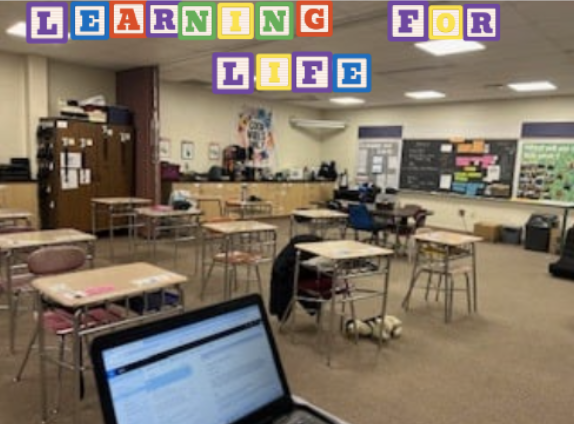


High school students learn subjects like algebra, history, science, and arts, but some may say they graduate without learning how to manage money in the real world. Financial literacy, the ability to understand budgeting, saving, credit, and taxes, has become an increasingly discussed topic in education. While some schools have started to implement lessons introducing personal finance, students and educators say there may still be gaps in what is taught.
Financial literacy education varies widely from school to school. According to education advocates and curriculum standards across the United States, like ASCD. Some states require a personal finance course for graduation, while others try to integrate the topic into economics or math classes. This means students’ exposure to financial topics can depend solely on where they attend school. One of our seniors said, “We learn a lot of things in school, but no one really explains things like taxes or how loans work.” Interviewees claimed this showed that there needs to be some sort of change in the classes. Some students who already have jobs say that they still do not fully understand how to manage their money.
Some educators at Urbana High School acknowledge that financial literacy is important but say time with students and curriculum requirements make it difficult to cover everything. One of our APs explained that personal finance topics are sometimes introduced through math lessons when solving interest rates or percentages. “We try to connect math to real-life situations when possible.” The teacher added that required curriculum standards sometimes limit how much time can be spent on personal finance topics.
After interviewing both students and educators, they believe that there could be something changed to benefit the students and prepare them more for the real world, whether it’s creating a class dedicated to financial literacy and taxes or incorporating it into the curriculum. Some people say that financial literacy can also be learned at home or through personal experience; however, not everyone has access to the same guidance outside of school. As conversations about education continue, financial literacy remains a topic many students and educators believe deserves more attention. While schools already teach many important academic skills, understanding how to manage money may be another skill that could help students prepare for life after graduation.