




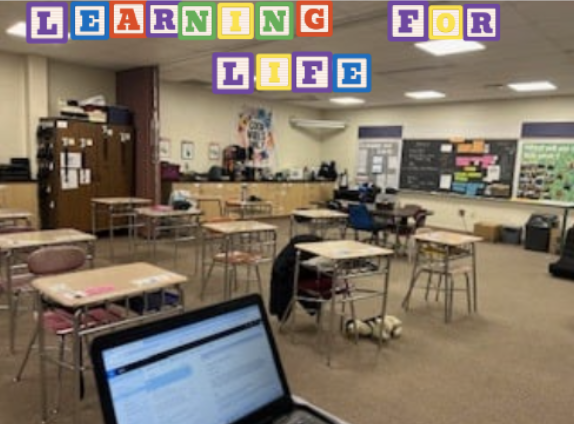

After hours of staring at screens, finishing assignments, and moving from class to class, some students head home and unplug in a different way. Instead of scrolling through their phones or turning on the TV, they sit down with an instrument, filling their homes with music instead of noise.
For a growing number of students, music is not just something they listen to. It’s something they create, practice, and return to every day, even outside of school programs.
Finding an Escape Through Music
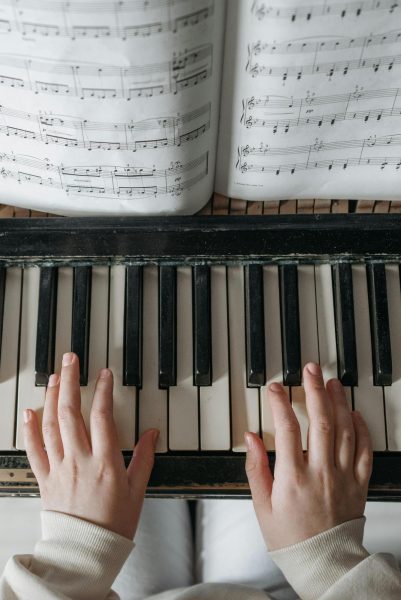
For some students, playing music at home is a way to unwind after a long day of classes. Others see it as a creative outlet where they can experiment with different styles and songs they enjoy listening to.
Many students say practicing at home allows them to improve their skills while also giving them time to explore music outside of what they might learn in school.
“I usually play after I finish my homework. It’s kind of a way to relax and focus on something I enjoy,” said Hannah Wright, a sophomore who plays the piano.
That sense of relaxation is not uncommon. According to research from the National Institutes of Health, playing music can reduce stress and improve focus, which may explain why students continue to turn to their instruments after long school days.
Learning Without Limits
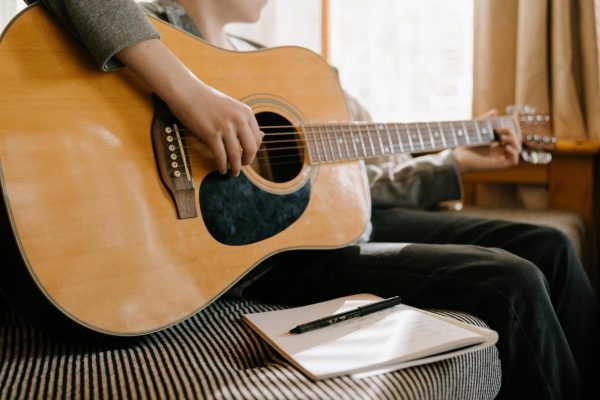
Practicing at home offers a level of creative autonomy rarely found in a traditional classroom. While school ensembles are often defined by rigid sheet music, teacher-selected repertoires, and looming performance deadlines, playing at home allows students to set their own pace and playlist.
“Sometimes I’ll hear a song I like and try to figure it out myself,” said Emma Haflett, a sophomore guitarist. “It takes a while, but it’s really satisfying when I finally get it.”
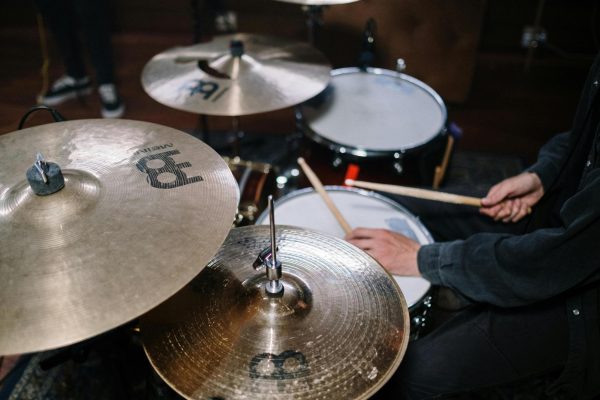
These moments of trial and error allow students to build independence, developing musical identities that exist far beyond assigned pieces. For junior drummer Chris Reefe, the lack of a formal structure is exactly what makes the experience valuable.
“Sometimes I just play whatever I’m feeling that day,” Reefe said. “It’s not always about getting better right away. It’s more about enjoying it and having that sort of freedom.”
The Challenges
However, trading a classroom for a living room comes with its own set of hurdles. Without a scheduled rehearsal or a grade on the line, the burden of progress falls entirely on the student.
“The hardest part is staying consistent with practicing, especially when school gets busy,” said senior saxophonist Alex
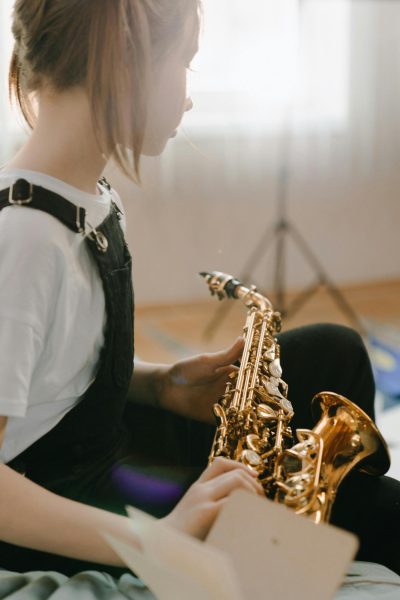
Epley. “But when you stick with it, you can really see yourself getting better.”
That self-imposed discipline is what makes the final breakthrough so meaningful. For freshman Kylie Jones, who plays guitar, the frustration of a difficult piece is part of the process.
“It’s so much work and effort sometimes,” Jones said. “But once I finally nail a song or a certain part I’ve been working on, it’s so rewarding.”
More Than Just a Hobby
For these students, music isn’t about chasing grades or preparing for the next big performance. It’s a personal ritual built into the rhythm of their daily lives.
Each practice session, whether it’s finally mastering a difficult bridge or casually strumming a favorite melody, accumulates into something deeper than a simple pastime. What begins as a way to decompress after a chemistry quiz often evolves into a core part of their identity.
The school day may end when the final bell rings, but for these musicians, the real work and the real joy are just beginning. Note by note, they aren’t just sharpening their skills; they are reclaiming their time and shaping the way they experience the world around them.