



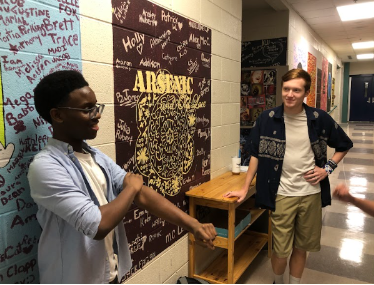




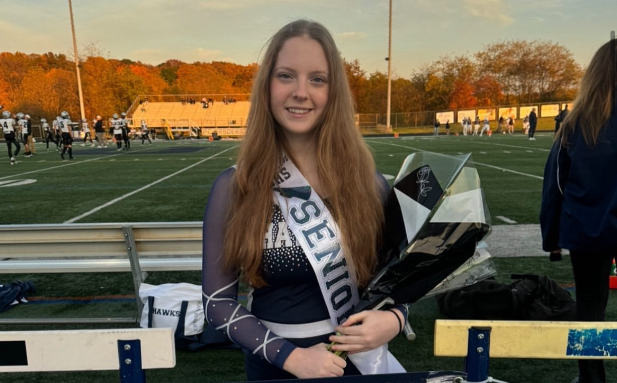
The Urbana boys indoor track and field team recently claimed the Frederick County championship, a title that reflects months of preparation, discipline, and consistency. While the win played out in a single afternoon, the work behind it stretched far beyond that single day. Long practices, early mornings, physical strain, and constant support from teammates and families all played a role in getting the team to the top. Behind the medals and final scores is a community built on grit, commitment, and showing up for one another.
The Hours Behind the Wins
For many athletes on the team, success starts with the hours they put in when no one is watching. Junior hurdler Jackson Wowk described a routine built around consistency and repetition, with practices becoming a daily expectation rather than an occasional commitment. “We practice two hours a day, six times a week,” Wowk said. Those hours add up quickly, filled with warmups, drills, conditioning, and weightlifting that push athletes to improve little by little each day.
Sophomore runner Jasen Behling emphasized that the work does not stop when practice ends. “I’d say it’s being consistent and practicing even when the coaches aren’t there,” Behling said. While meets may only last a few hours, the preparation behind them takes weeks of steady effort, showing just how much dedication goes into competing at a high level.
More Than a Team
That commitment extends beyond physical training. When practices or meets do not go as planned, the support of teammates and coaches becomes just as important. Bad meets happen, and the pressure to perform can weigh on athletes throughout the season. For Jackson, the way to move forward is simple: “Just talking it through with my friends and my coaches—that’s the only way that helps me.” Moments like these show that the team is more than just a group of competitors. It is a support system built on encouragement, trust, and the understanding that no one goes through the ups and downs of the season alone.
Behling shared a similar mindset when facing challenges, reminding himself that “it’s just a step in the journey. Everybody has a bad race.” For many athletes, that perspective helps them stay focused and continue improving throughout the season.
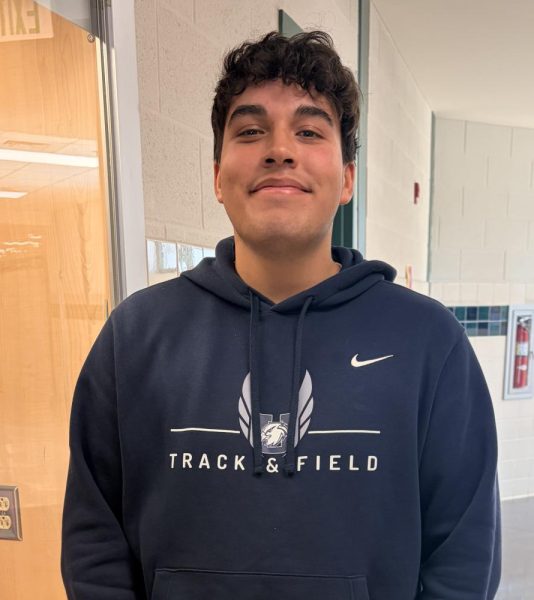 Senior Thrower Hunter Brunken
Keeping It Light
After the hours of training and the pressure of competition, the athletes still find ways to keep things light. Small routines and inside jokes have become part of meet day, adding personality to the serious work they put in. Senior thrower Hunter said he gets in the zone by listening to “Don’t Stop the Music” by Rihanna and repeating “I am speed,” a nod to Lightning McQueen, before stepping into the circle. Captain Ethan brings his own sense of humor to the team, admitting he wears the same cow-print boxers to every meet for good luck. These moments may seem small, but they show the human side of the sport and the ways athletes stay relaxed and confident before competing.
The Physical Toll
Behind the jokes and routines, the sport also comes with real sacrifices. The physical toll of constant training can wear athletes down over the course of a season, something many people in the stands never see. Long practices, repeated
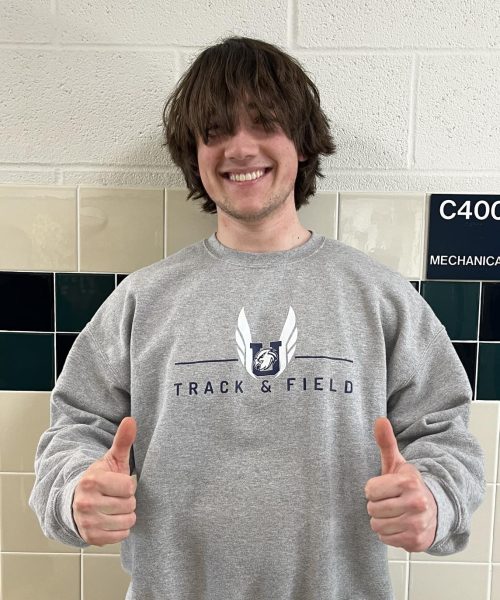
impact, and pushing their limits day after day can leave them exhausted. Captain Ethan summed it up simply: “I’m tired, and most of my joints hurt.” Even with the strain, athletes continue to show up, relying on teammates to help them push through tough practices and recover from difficult meets. For many of them, the pain is just part of the process and something they learn to manage together.
More Than What You See
Behind every race and every meet result is another layer of support that often goes unnoticed. Parents give their time, energy, and money to make it all possible, from driving to practices and meets to sitting in the stands for hours just to watch a few minutes of competition. For many, the commitment adds up each week. “I would say probably about four or five hours, and it’s because of their meets,” said Mrs. Hines, a teacher and mother of track athletes. She recalled one of her most memorable experiences was being unexpectedly asked to bring one of her students along to nationals, saying, “Taking one of my own students up and having them stay in the hotel room with us and stuff” was unexpected but rewarding.
While a meet may only last a few hours, it represents months of early mornings, long practices, physical strain, and constant support from the people around the team. What spectators see on race day is only a small piece of the dedication, resilience, and community that carry these athletes through the entire season.