






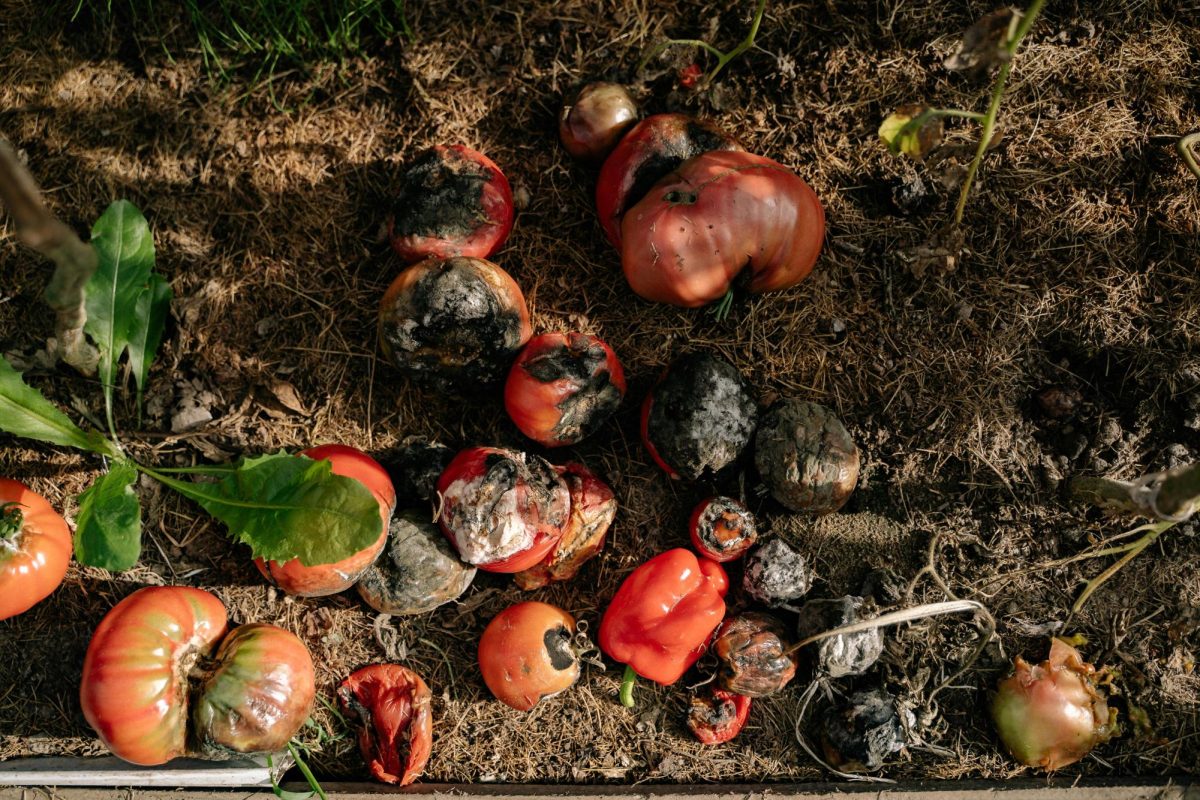
In the wake of our polluted environment, waste management in our country’s schools has been revised to be more eco-friendly and fight against the pressing issue of food waste. The Environmental Protection Agency reports that 30–40% of the U.S’s food supply is never eaten, and furthermore, 59.84% of our wasted food is ultimately sent to the landfill. So as part of our local efforts, FCPS began funding The Composting Company in 2017 to pick up and remove our landfill waste — but this task is not as straightforward as it may seem — Urbana High School splits its waste into four categories: recyclable, trash, compost, and liquids. Per regulation, to be eligible for compost, each type must be resorted to remove contaminants.
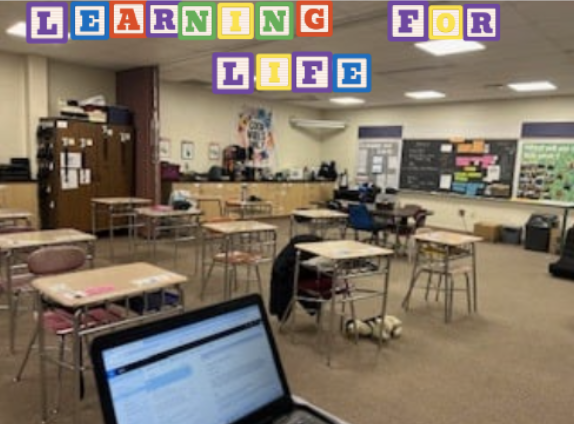
This job is typically managed between the UHS environmental class and the Learning for Life program, but as of the 2025 fall semester, the cafeteria does not have enough volunteers to help. This has created a workload too heavy for the few students responsible for it, which in turn, has damaged the foundation of this schools sustainability efforts.
This is when the attention turns to the student body, and the various misconceptions the subject seems to spout. While most students know that using the trash to throw away sticky wrappers and used tissues is part of basic garbage disposal, just as many students have a fundamental misunderstanding of what composting is and its impact.
Composting is beneficial because it breaks down organic material through microorganisms. As they feed on the added materials, they break them down, and the soil is then provided with additional nutrients. Utilizing compost is what controls the volume of materials that would otherwise be disposed of in incinerators or landfills, mitigating the emissions of greenhouse gases. From a general standpoint, it’s a resourceful form of waste management, but as previously mentioned, its implementation at Urbana has been met with mixed results.
One of our school’s science teachers, Mrs. McCook, is in charge of third block lunch alongside her PACEE student. When interviewed about how effective she feels composting has been, McCook responded, “I think that there’s room for improvement”. She says the root of the issue often comes from the fact that “students tend to not know exactly what to do or otherwise are not doing it”. This is backed up by a poll from over 50 students, with a staggering 76% responding that they did not compost. When questioned further, 30% stated they did not know how to compost, whilst 18% responded they only “kinda” knew how.
To try and educate the student body, some students have taken up the task of hanging signs around the cafeteria which arrange lunchtime basics into the different categories you dispose of them in. But as for the students that know what to do but otherwise don’t, a move in the right direction may mean creating a more convenient system for students pertaining to the containers that carry our lunches. For as hard as our cafeteria staff work, the handling of students’ lunch trays was a heavy addition to the load. To fix this, in the last couple of years, plastic lunch trays have been phased out. Initially the cafeteria attempted recyclable clam-shells, but since they were not transparent, it caused some concern over their distribution. The current replacement are the plastic clam-shell containers, but their lack of recyclable materials makes them a concern for Urbana’s sustainability efforts.
A proposed alternative from students has been compostable lunch trays or clamshells, made from sugarcane bagasse, wheat straw, and bamboo fiber. One such student described it as a “strong, durable material that is pretty eco-friendly”. While the clear lid would not be compostable, it would be recyclable and perhaps easier for students to sort because of the convenience the container would provide. Companies sell these two pieces as a set, with an average price of $0.20 per container, a reasonable price for the benefits the product would provide. If this or a similar alternative were proposed and received positive feedback from FCPS, it could be a reasonable change moving forward.