







When the clocks fall back and the days grow shorter in Ijamsville, many students at Urbana High School begin to feel a shift in their mood that’s hard to ignore. What starts as tiredness or irritability can slowly turn into something heavier, a seasonal sadness that affects motivation, energy, and even academic performance. This pattern aligns with a well-documented mental health condition known as Seasonal Affective Disorder (SAD), a form of depression that appears in fall and winter and eases in spring and summer. According to the Mayo Clinic, SAD can cause low energy, trouble concentrating, changes in sleep, and a persistent low mood that returns each year with the seasons.
Although SAD is often discussed in adults, teens are also significantly affected. The Centers for Disease Control and Prevention reports that more than one in three high school students say their mental health was “not good” most of the time in the past month, highlighting a growing youth mental health crisis nationwide. In Maryland, the Hopeful Futures Campaign found that over 67,000 children experience major depression, a year-round mood disorder, and nearly half do not receive the treatment they need. While this data focuses on depression overall, researchers note that adolescents are especially vulnerable to seasonal depression because their circadian rhythms are more sensitive to changes in daylight.
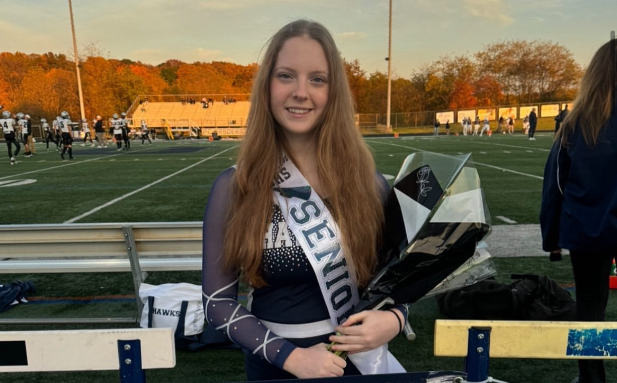
At Urbana, students feel this shift firsthand. Junior Cassie Suskey says winter hits her especially hard. “In winter I feel super drained, and in summer or spring I feel motivated and energized,” she explains. Shorter days affect her schoolwork too. “My motivation decreases. The colder weather makes it harder to focus, and I feel extremely exhausted and unmotivated.”
Cassie says small comforts, like a warm cup of tea or coffee, help her get through the day. Still, she wishes the school offered more support. “Students have a lot going on,” she says, and she doesn’t feel Urbana provides enough help during the winter months.
Experts emphasize that SAD is treatable. Light therapy, outdoor time, exercise, and counseling can all help. But awareness is the first step. Many teens don’t realize their winter slump has a name or that support exists. The CDC notes that feeling connected at school is one of the strongest protections against depression, making compassion and open conversation especially important during the darker winter months.