







As soon as the final bell rings, many students begin the second half of their day. Classrooms are traded for dance studios, running tracks, rehearsal stages, and countless other commitments. While extracurricular activities can be exciting and rewarding, they also require students to master one of the most difficult skills of all: balance.
Between homework, practices, family responsibilities, and the need for rest, finding that balance can feel overwhelming. Yet for many students, extracurricular involvement is not just an addition to their schedules. It is a defining part of who they are.
More Than an After-School Activity
Extracurriculars allow students to explore passions, build friendships, and develop skills beyond the classroom.

Whether competing in sports, performing on stage, or participating in clubs, these activities often become some of the most meaningful parts of high school.
“Extracurriculars teach students lessons that go far beyond academics,” school counselor Ms. Sly said. “They build discipline, confidence, and resilience while helping students discover what truly matters to them.”
They also teach valuable lessons in teamwork, responsibility, and perseverance. However, those benefits often come with challenges, especially when students are trying to balance demanding schedules.
The Reality of a Packed Schedule
For students deeply involved in extracurriculars, time can feel like a limited resource. Long practices, late nights, and early mornings are often part of the routine.
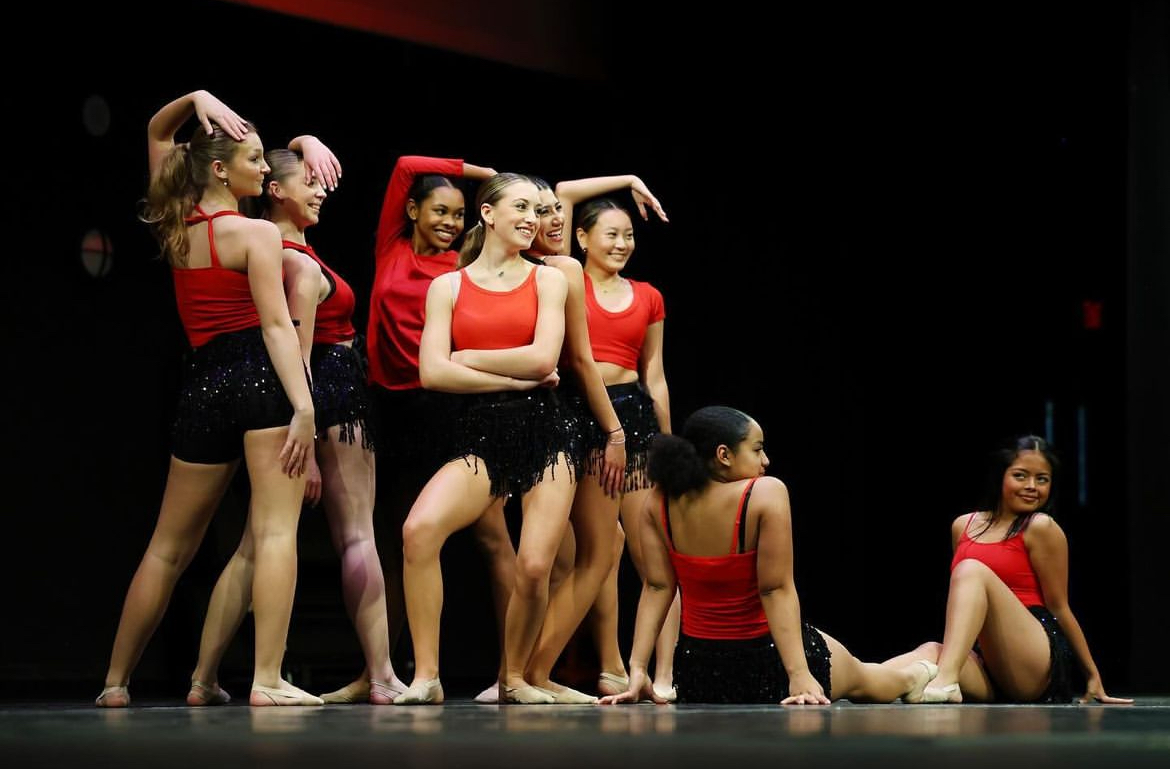
Sophomore Emma Haflett knows this struggle well. As a dedicated dancer, she found that balancing schoolwork with her demanding practice schedule was especially difficult.
“Homework and studying is the hardest part,” Emma said. “I am also very much a procrastinator, so I always leave all of my work to the last minute.”
That habit often led to late nights. After finishing practice, Emma would stay up past midnight completing assignments, leaving her with fewer than five hours of sleep.
“I always ended up being asleep later than midnight,” Emma said, “which gave me less than five hours of sleep when the healthy amount for a teen is eight.”
Learning to Manage Time
When the stress of late assignments and constant exhaustion became overwhelming, Emma Haflett decided to seek help. Working with a therapist allowed her to develop strategies for better time management and create a schedule that worked for her.
“I always like having a strict schedule to go by,” Emma said. “She gave me strategies to help plan my time.”
Emma now completes some of her schoolwork before practice, allowing her to lighten her workload later in the evening. After returning home, she prepares for bed before studying for about an hour and a half.
“I started doing 30 minutes of work before practice,” Emma said. “Then after I got home, I would shower, get ready for bed, and study for about an hour and a half so I could get a longer amount of sleep.”
She also adjusted her morning routine, choosing to wake up later so she could prioritize rest.
“I stopped waking up at 5 or 5:30,” Emma said. “Now I wake up at 6, which gives me less time to get ready but more sleep.”
Sacrifices and Rewards
For student-athletes, balancing school and extracurriculars often requires making sacrifices. Sophomore Ellie Delisle, who participates in both track and cross country, understands the physical and emotional demands that come with her sport.
“I love running,” Ellie said. “Track and cross-country are my favorite sports in the world.”

Still, the commitment can be challenging. Between daily practices, school responsibilities, and helping care for her younger siblings, Ellie often has little free time.
“It can get really tricky to balance having practice every day, schoolwork, and being a good big sister to my siblings,” Ellie Delisle said.
She also sometimes feels the social sacrifices that come with being a dedicated athlete.
“I struggle a lot with feeling left out when my friends are able to hang out and I can’t,” Ellie Delisle said.
The Importance of Routine
Like Emma, Ellie has found that maintaining a consistent routine helps her manage her many responsibilities. She prioritizes sleep, wakes up at the same time each day, and completes her homework soon after returning home from practice.
“I manage the stress by waking up at the same time every day and getting at least eight hours of sleep per night,” Ellie Delisle said.
“Teenagers 13 to 18 years of age should sleep 8 to 10 hours per 24 hours on a regular basis to promote optimal health and daytime alertness,” according to the American Academy of Sleep Medicine.
Regular sleep not only improves focus and academic performance but also helps athletes recover physically and manage stress more effectively.
Even with a solid routine, balancing it all can still be physically and mentally demanding.
“Sometimes I face feelings of exhaustion, burnout, and lots of physical discomfort due to soreness and joint pain,” Ellie said.
Yet her passion for running keeps her motivated.
“While this may all sound stressful or unpleasant, I love it,” Ellie said. “I wouldn’t trade running for the world.”
Finding Balance, Not Perfection
For students like Emma Haflett and Ellie Delisle, balancing academics and extracurriculars is an ongoing process. It requires organization, discipline, and a willingness to adapt when challenges arise.
“Balance does not mean doing everything perfectly,” English teacher Ms. Anthony said. “It means learning how to prioritize, take care of yourself, and make time for the things that matter most.”
While the journey is not always easy, the lessons learned along the way are invaluable. Students develop resilience, responsibility, and a deeper understanding of themselves.
In the end, balancing school and extracurriculars is not about having a perfect schedule. It is about creating a life where achievement, passion, and well-being can all exist together.