




Mapping It All Out
While some students are still unsure about what comes next, others already have their futures carefully planned.
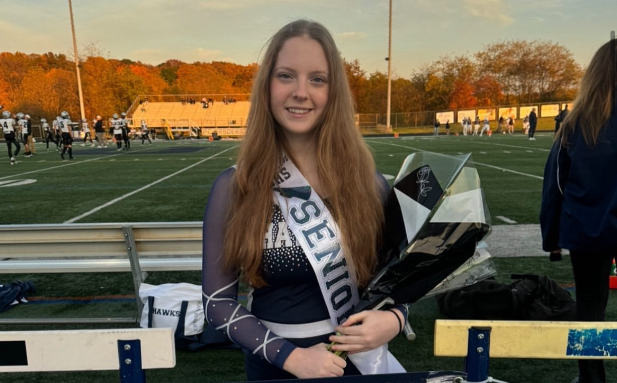
Emma Haflett, a sophomore at Urbana High School, is one of those students. She plans to study psychology in college and eventually earn her doctorate. Her goal is to help people feel “normal and real,” while also working with more complex mental health conditions such as borderline personality disorder, anxiety disorders, and depression. Although she is considering the University of South Carolina, she is still deciding where she wants to go.
Dagny Edmunds also has a clear vision, wanting to attend college to “study elementary education and become a
teacher.” She hopes to one day live in a nice neighborhood with her future family.
According to developmental psychologist Erik Erikson’s stages of psychosocial development, high schoolers are in the midst of the “Identity vs. Role Confusion” stage. Experts suggest that having a clear goal, like Emma or Dagny, can provide a sense of “Identity Achievement,” which is linked to higher self-esteem and lower anxiety during the transition to adulthood.
Rayna shares a similar path, considering a major in childhood education or psychology. After attending a four-year university, she plans to find a stable job, buy a house, and eventually start a family.
Dreaming Beyond the Career
For some students, their future plans go beyond just a job and include the life they want to build.
Isabel hopes to work in the medical field with children, but she also has a clear picture of her personal future. “I want to get married and live on a farm with three kids,” she said. “I’m gonna be a baddie.”
Quinn also envisions a future connected to her interests. She plans to intern on a farm during high school and later study animal science or agribusiness in college. Eventually, she hopes to build a career working with animals and settle down with a family.
Still Figuring It Out
Not every student has every detail planned, and for many, that uncertainty is completely normal.
Brennan Ginsburg is still exploring his options. While he is interested in sports management and possibly scouting, he is unsure which college he wants to attend. Like many students, he has an idea of what he enjoys but is still working out how that will turn into a long-term career.
This uncertainty is something many students experience, especially as the pressure to make decisions about the future grows closer. This “open road” approach is often more strategic than it looks. Dr. John Krumboltz’s Theory of Planned Happenstances suggests that indecision is actually a functional state.
Different Paths, Same Goal
Whether students have a detailed plan or are still exploring their options, each path comes with its own challenges.
Students with clear goals may feel pressure to follow through on their plans, while those who are undecided may feel stress from not having everything figured out yet. Despite these differences, both groups are working toward the same thing: building a future that feels right for them.
For many high school students, the future is not a fixed destination but something that continues to change and develop over time.